
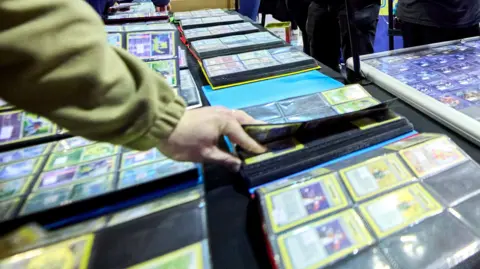
The increasing attention toward “north carolina sports card shows” reflects a strong upward trend in regional collectible markets. North Carolina has developed into a significant destination for sports card enthusiasts, hosting frequent trading events that bring together collectors, dealers, and hobby investors in a structured marketplace environment.
From a statistical perspective, the volume of sports card shows in North Carolina has steadily increased over recent years. Events are regularly scheduled in cities such as Charlotte, Raleigh, Greensboro, Durham, and Asheville. Larger conventions can attract hundreds of vendor tables and significant visitor turnout, while smaller local shows maintain consistent community participation, contributing to a balanced and active event ecosystem.
A commonly asked question is what defines sports card shows in North Carolina. These events are organized gatherings where sports cards, memorabilia, and collectible items are bought, sold, and traded. The format encourages face-to-face interaction, allowing participants to assess card condition, verify authenticity, and negotiate pricing directly. This structure supports transparency and trust within the collecting community.
Another frequently asked question is how often these shows occur. Data from regional scheduling patterns indicates that North Carolina hosts sports card shows throughout the year, with some areas offering monthly recurring events and others hosting seasonal or multi-day conventions. The consistent frequency of these events demonstrates strong and sustained demand within the hobby.
Collectors also often ask what types of cards and collectibles are available at these shows. The primary focus remains on major sports categories such as baseball, basketball, football, and hockey cards. However, recent trends show increased inclusion of modern rookie cards, graded collectibles, and trading card games. This diversification has expanded the audience base and contributed to stronger event engagement.
A key statistical trend observed in North Carolina sports card shows is the rising importance of graded cards. Professionally graded items tend to dominate high-value transactions due to their certified condition and standardized evaluation. This has influenced overall pricing dynamics, with condition and grading playing a central role in market behavior at live events.
Another common question involves why collectors prefer attending physical shows instead of using online marketplaces exclusively. Market analysis suggests that in-person inspection remains a major advantage. Collectors can closely examine surface quality, edges, centering, and overall condition before making a purchase decision. This reduces uncertainty and provides a higher level of confidence, especially for valuable or rare items.
Accessibility is another major factor contributing to the popularity of North Carolina sports card shows. Events are typically hosted in easily accessible venues such as convention centers, hotel ballrooms, fairgrounds, and community halls. Entry fees are generally affordable, encouraging higher attendance and making the hobby accessible to a wide range of participants, from beginners to experienced collectors.
Another frequently asked question is what the experience at these events typically includes. Most shows feature organized vendor booths, designated trading areas, and opportunities for live appraisals. Larger events may also include guest appearances, early entry sessions for serious collectors, and on-site grading submission options. These features enhance the overall experience and increase engagement.
From a community standpoint, North Carolina sports card shows serve as valuable networking environments. Collectors and vendors often establish long-term relationships that lead to better trade opportunities and consistent access to rare or high-demand items. These connections also help participants stay updated on market trends and pricing shifts within the hobby.
Economically, the steady growth of these events indicates a healthy and expanding local collectibles market. The combination of frequent small-scale shows and large conventions creates a stable ecosystem that supports both casual collectors and professional dealers. Increased participation from neighboring states further strengthens North Carolina’s role in the regional hobby economy.
In conclusion, the growing interest in North Carolina sports card shows highlights a strong and evolving collectibles landscape. These events offer structured trading environments, real-time valuation opportunities, and meaningful community interaction. With rising attendance, diversified collectibles, and consistent scheduling across multiple cities, North Carolina continues to establish itself as a key center for sports card collecting and trading activity in the broader hobby market.